
Stem cell science and cosmetics
Skin renews itself continuously, and skin stem cells sit at the center of that renewal. This section explains what stem cells are, where they live in the skin, and what must be considered before applying stem cell research to cosmetics.
Cells that self-renew and differentiate
A stem cell can copy itself and can also differentiate into many cell types, or into the cells of a specific tissue or organ.
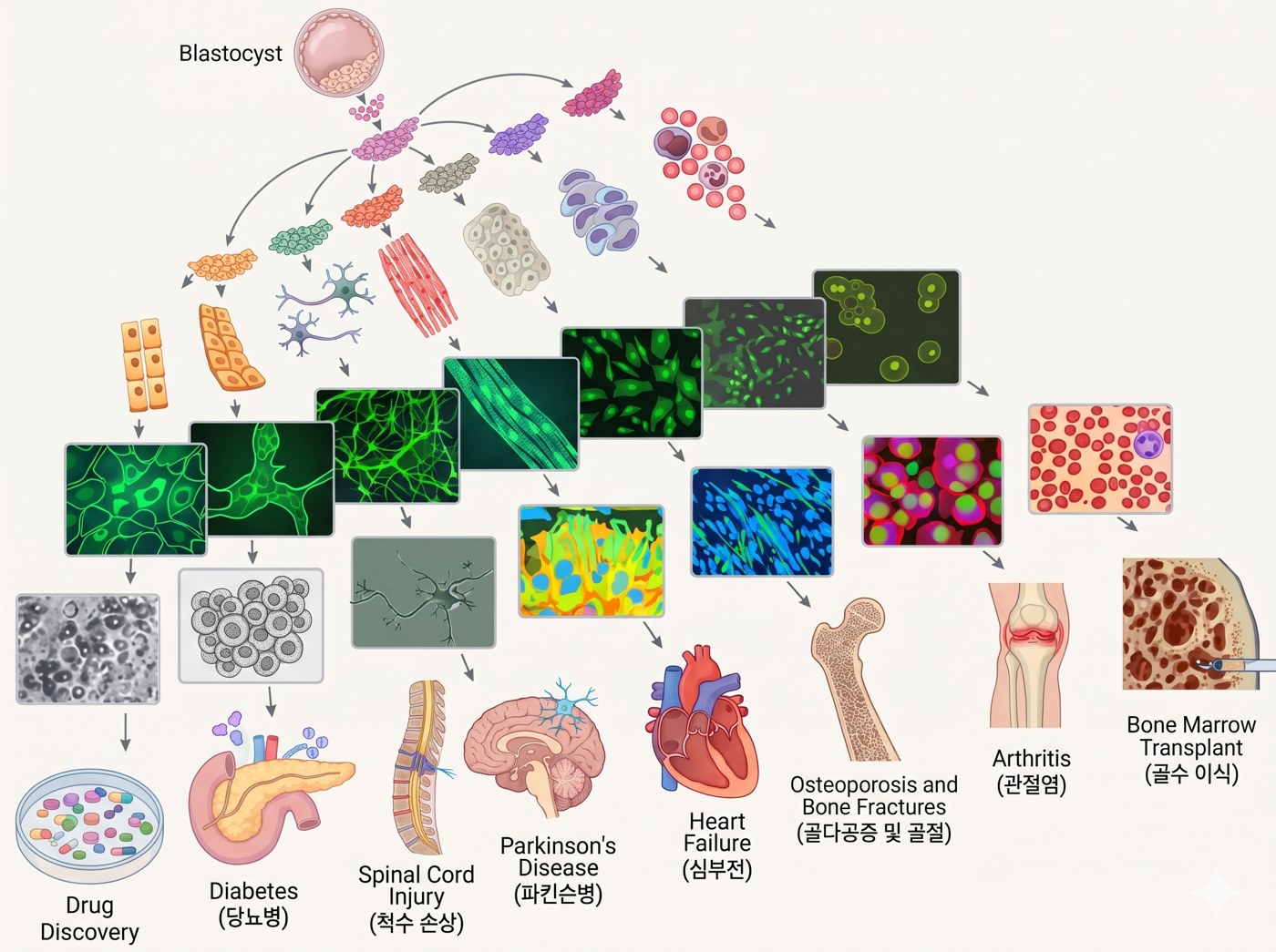
Differentiated cells cannot change into other cell types, but stem cells can become specific cells under the right conditions. The idea that damaged tissue could be repaired with stem cells opened a new chapter in 21st-century regenerative medicine (Nature 414:118, 2001).
Types by differentiation potential
| Potency | Cells | Can become |
|---|---|---|
| Totipotent | Fertilized egg, earliest cleavage cells | A whole organism, including the placenta |
| Pluripotent | Embryonic stem cells | Almost every cell type of the body, but not extra-embryonic tissue |
| Multipotent | Adult (somatic) stem cells, e.g. skin, bone marrow | Cells of a particular lineage |
Embryonic stem cell research has long been constrained by the ethical questions that arise when a fertilized egg is regarded as a life. Researchers then discovered that a certain number of stem cells remain in adult tissues and organs even after differentiation is complete. These are called adult stem cells (or somatic stem cells).
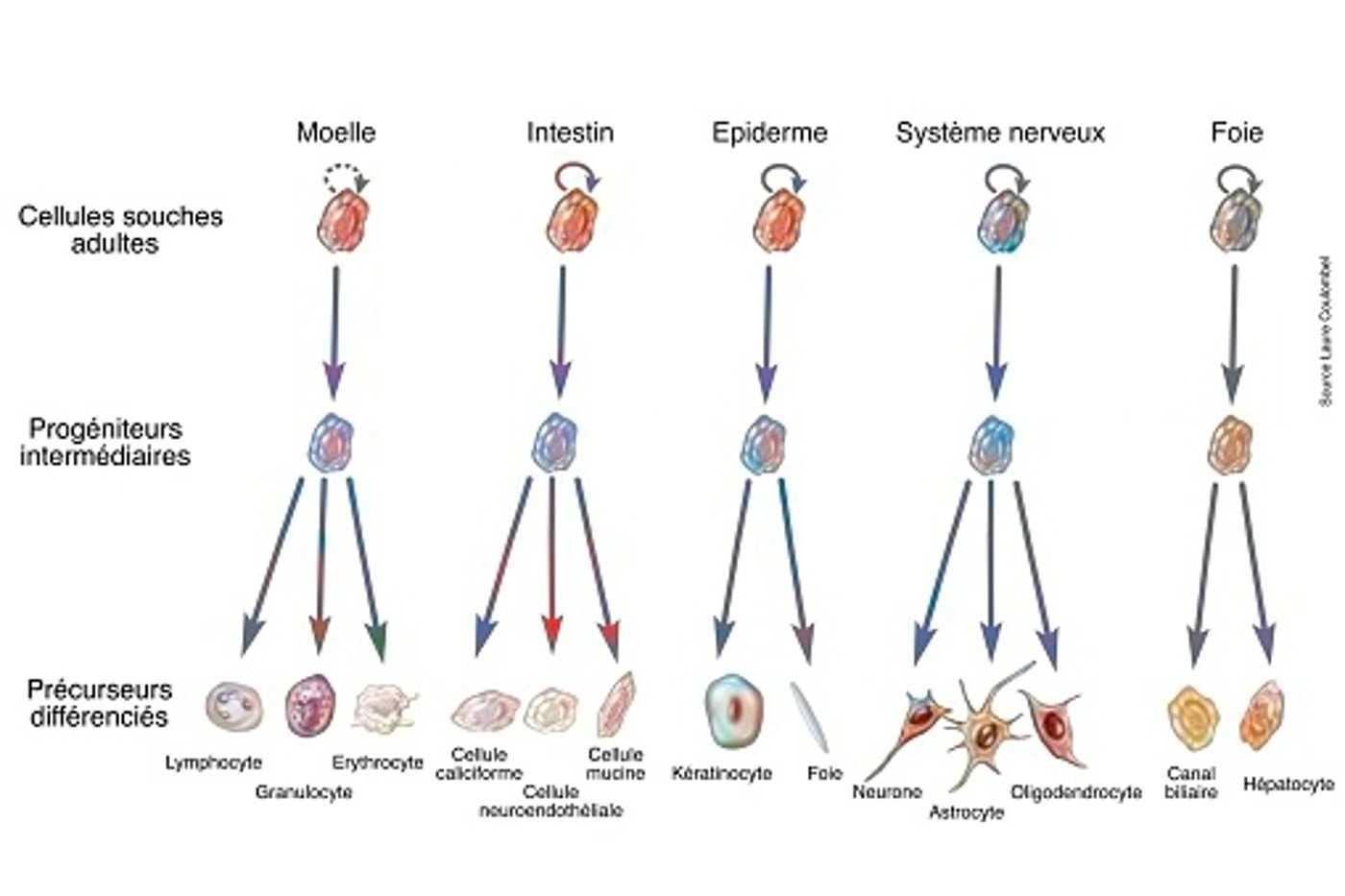
Adult stem cells have multipotency—the ability to differentiate into cells of a particular lineage—and act as regulators that replace damaged cells and maintain tissue homeostasis. In tissues whose cells are constantly replaced, such as blood and skin, it is the adult stem cells that carry out this work.
Where skin stem cells are found
From the outside in, skin has three layers: epidermis, dermis and subcutaneous fat (Fig. 3). The epidermis consists mainly of keratinocytes, with melanocytes that make melanin and Langerhans cells with immune roles. The dermis is connective tissue of collagen and elastic fibers that houses nerves, blood and lymph vessels, hair follicles, and sebaceous and sweat glands.
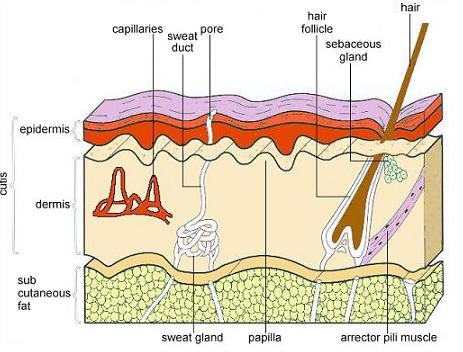
These cells arise during development as embryonic stem cells differentiate. Epidermis, hair follicles and glands derive from the ectoderm, the dermis from the mesoderm, and melanocytes from the neural crest. Some stem cells remain in adult skin and renew it throughout life.
Two main niches
Skin stem cells reside mainly in two places (Fig. 4). The first is the basal layer of the interfollicular epidermis, the epidermis between hair follicles, where stem cells divide continuously to replenish the epidermis.
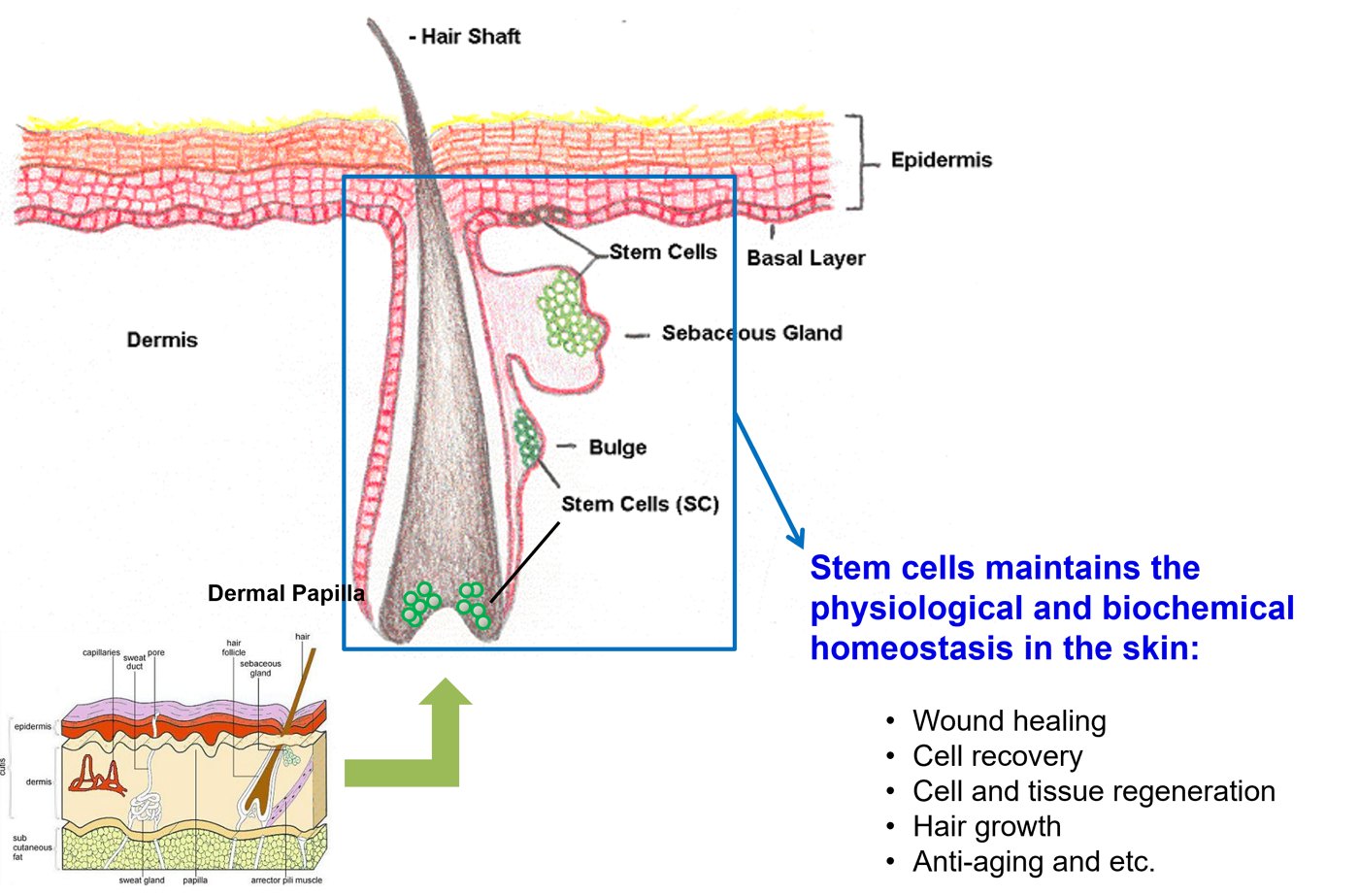
The second is the bulge of the hair follicle, which regenerates the follicle and contributes to epidermal repair after major injury. Skin stem cells do more than divide: they also secrete active substances that influence neighboring cells (Nature 445:874, 2007).
Stem cells age, too
Stem cell activity gradually declines with age. Fewer new cells are produced and signaling with neighboring cells becomes less efficient. This is one reason aging skin renews more slowly, and why skin stem cells are a major focus of skin-aging research.
Five ways to apply stem cell research to cosmetics
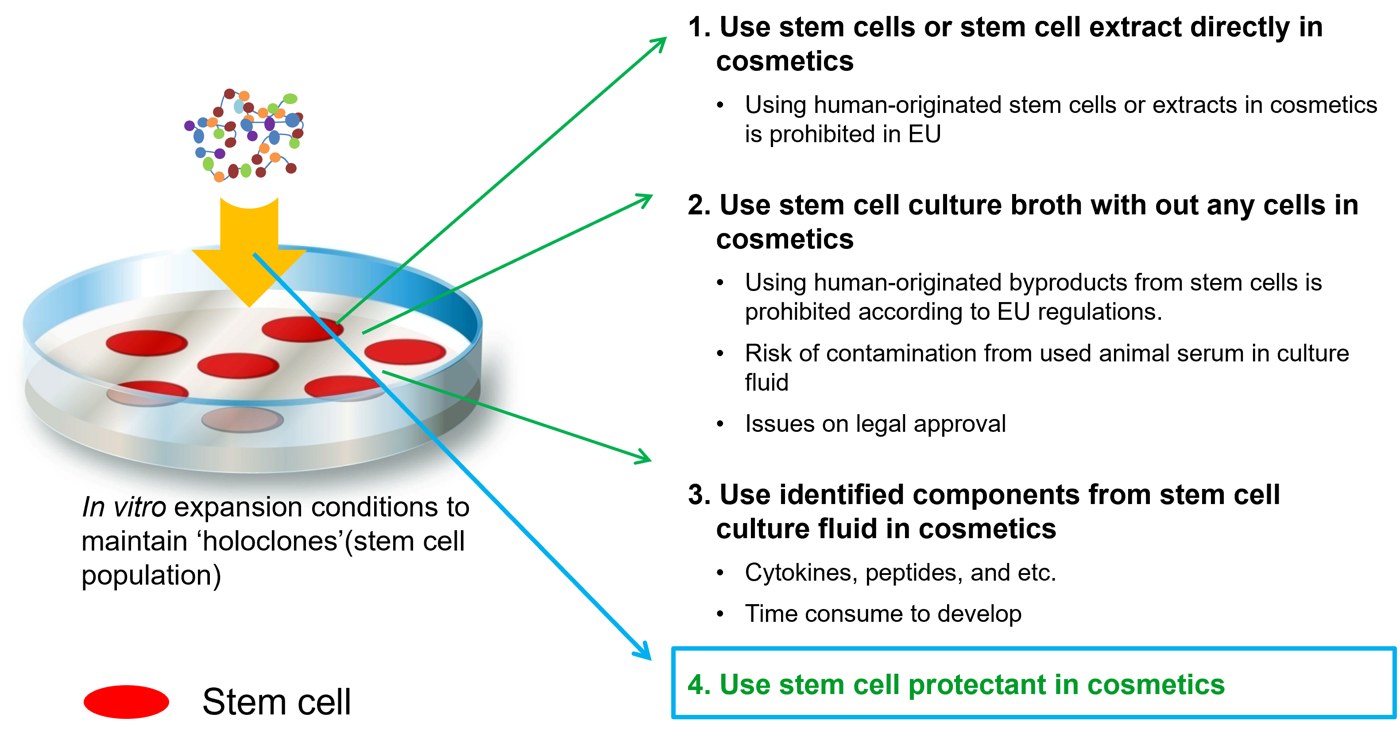
Broadly, stem cell cosmetics use stem cell technology directly or indirectly. Narrowly, they are cosmetics whose main ingredients come from stem cell research. Any stem cell-related ingredient must be assessed for regulatory compliance, ethics and biological safety.
| Approach | What it means | Key considerations |
|---|---|---|
| ① Stem cells directly | Cultured stem cells used as an ingredient | Donor viruses or prions may go undetected; prions are heat-stable. Long culture raises the chance of genetically unstable cells (Nature Genetics, 2005). Cell lines must be replaced; donor proteins may cause allergic reactions. |
| ② Stem cell extracts | Specific components extracted from stem cells | 100% purity is impossible. At 99.99% purity, 100 g still contains 10 mg of unidentified material. |
| ③ Culture media | Cells removed, medium used as an ingredient | Antibiotics must not remain. Animal serum (e.g. FBS) cannot be removed after culture. Secreted substances are not fully characterized. The EU prohibits cells, tissues and products of human origin in cosmetics (Reg. (EC) No 1223/2009, Annex II). |
| ④ Identified media components | Proteins, cytokines or peptides identified by proteomics, then made by fermentation or synthesis | No culture medium or cell by-products in the final ingredient. Recombinant growth factors and functional peptides are made this way. |
| ⑤ Direct screening (StemCello approach) | Candidate ingredients applied to stem cells in culture and selected by performance | No stem cells or culture media in the product, so no infection risk or ethical concern. |
Why culture media are difficult to qualify
When stem cells are cultured, they secrete many substances into the medium, including cytokines that activate other cells. In approach ③ the cells are removed and the medium itself becomes the ingredient. This requires careful control. Antibiotics are often added to animal cell cultures to prevent contamination, but antibiotics are prohibited in cosmetics and must not remain in the final ingredient.
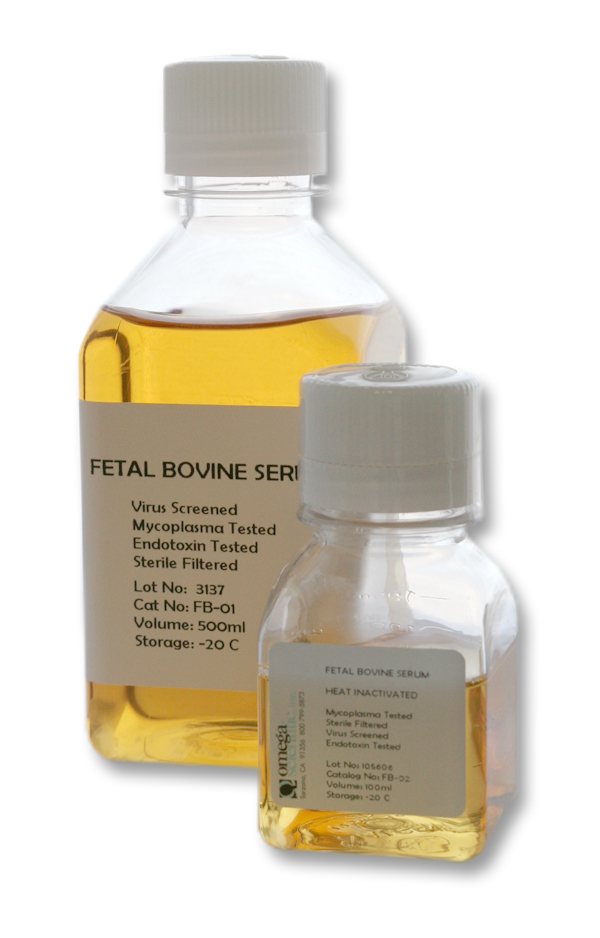
Many cultures also rely on animal serum such as fetal bovine serum (Fig. 6). Serum carries a risk of infectious agents that is hard to rule out completely, and it cannot be removed after culture. Which substances stem cells secrete, and in what amounts, has not yet been fully characterized, so the safety of a medium as a whole is difficult to demonstrate. For these reasons the EU prohibits cells, tissues and products of human origin in cosmetics.
Identifying active components instead
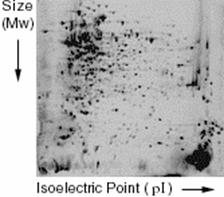
Approach ④ starts from the same culture media but goes one step further. Components that support stem cell division and activity, such as proteins, cytokines and peptides, are separated and identified by proteomics (Fig. 7). Their structures and functions are characterized, and they are then produced by genetic engineering or chemical synthesis. The final ingredient contains no culture medium or cell by-products, so its safety can be established. Recombinant growth factors such as sh-Oligopeptide-1 and many functional peptides are made this way.
The StemCello method
Developed by the BioSpectrum Life Science Institute, approach ⑤ quickly identifies ingredients that perform well in stem cell models. Candidates are applied to stem cells in culture and proliferation is measured first. When an effect appears, the mechanism is analyzed. Treated stem cells are also placed under adverse conditions to see whether their activity is maintained.
Selected substances are applied to various types of skin cells to develop cosmetic ingredients, which then undergo rigorous safety testing. Through this process, we have registered new ingredients—derived from edible plants—in the International Cosmetic Ingredient Dictionary and Handbook (INCI), published by the Personal Care Products Council (PCPC). Furthermore, our ingredients, including ‘EMortal,’ have had their cosmetic performance and safety evaluated through human use tests conducted by specialized independent research institutions. As these ingredients do not involve the use of stem cells or cell culture media, they are free from risks related to infection or ethical concerns.
Stem cells as a discovery platform
Most stem cell research focuses on cell therapies, and clinical trials are under way worldwide. Living cells are hard to control perfectly, and genetic errors arise during division, which limits the supply of safe cells in large quantities.
BioSpectrum therefore uses stem cells as a tool for discovering active substances. With normal stem cells, it is possible to find substances that promote or slow differentiation, or that support stem cell activity. This approach is revealing activities that conventional screening missed.
MITF reporter screening for skin tone ingredients
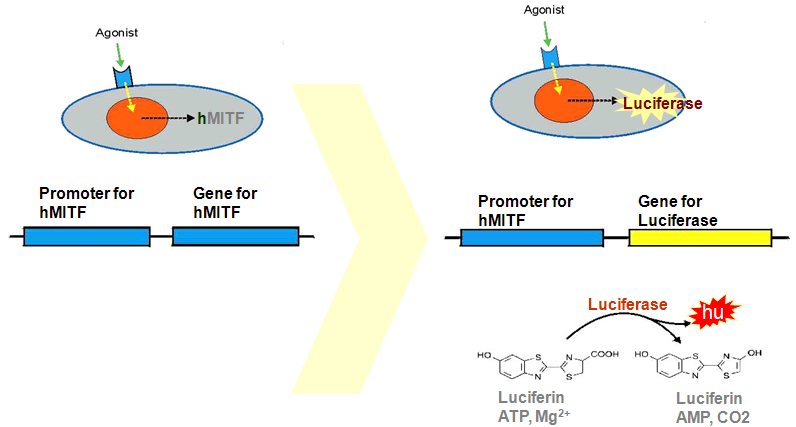
As part of the Gyeonggi Stem Cell Research Consortium core technology program, the institute built a stem cell line in which the luciferase reporter gene is linked to the promoter of MITF (microphthalmia-associated transcription factor), the key regulator of melanin synthesis (Fig. 8).
When candidates are applied while these cells differentiate into melanocytes, the luminescence shows how each one affects MITF expression. Lower luminescence suggests a brightening ingredient, because most brightening ingredients reduce MITF activity. Higher luminescence suggests a tanning ingredient. This MITF-Luc assay supports large-scale screening for brightening cosmetics and for self-tanning or sun care products, and the same approach is applied to ingredients for body-contouring cosmetics.
The related technologies are patented and the findings are published regularly. View intellectual property →