
Why “genuine” stem cell cosmetics?
Since around 2005, skincare inspired by stem cell science has become a global trend. As the market grew, so did products that use the name without the science. This is the gap StemCello was created to close.
Stem cell cosmetics in name only
Some products use “stem cell” purely as a marketing term and have never published research. Others use animal-derived stem cell ingredients that carry a risk of undetected biological contamination. Products applied to the skin every day should put safety and scientific validation first.
Misconceptions about “plant stem cells”
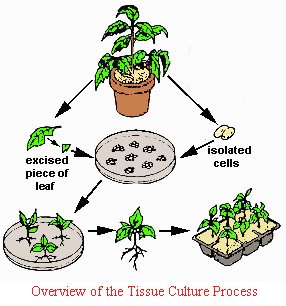
Many cosmetic products are marketed as containing plant stem cells or plant stem cell extracts. Unlike animals, plants have the ability to dedifferentiate cells from fully developed tissues into a mass of cells known as a “callus.” From this callus, roots, leaves, or even an entire plant can be regenerated—a capacity referred to as “totipotency.”
A callus can be created by taking a piece of plant tissue, preparing it under sterile conditions, and subjecting it to appropriate aseptic culture environments to induce dedifferentiation (Figure 1). When cultured further under the right conditions, this callus can differentiate back into a complete plant.
In animals, there are virtually no known instances—outside of a fertilized egg—where cells can differentiate into a complete adult organism. Adult stem cells in mammals (such as those found in fat or bone marrow) are generally understood to be “multipotent,” meaning they can only differentiate into specific types of tissue or organ cells. However, it has been observed that in certain lower animals, such as planarians or hydra, a single adult stem cell can regenerate an entire adult organism, suggesting that such a process is not strictly impossible. Nevertheless, animals lack the ability to regulate the processes of differentiation and dedifferentiation with the same level of flexibility as plants.
Adult stem cells and skin renewal
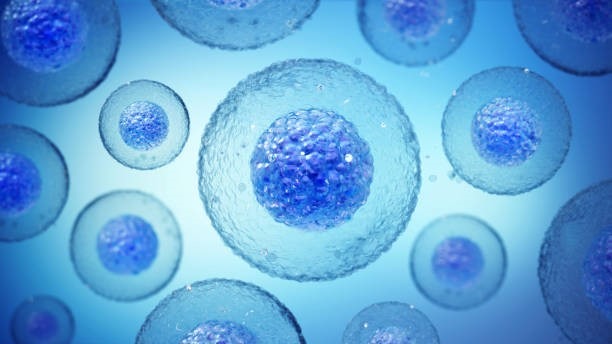
Unlike plants, animals cannot regenerate lost body parts. Only the fertilized egg and the cells of the earliest cleavage stages are totipotent. Embryonic stem cells are pluripotent: they can become every cell type in the body but cannot form extra-embryonic tissue such as the placenta.
Adult stem cells, found in skin, bone marrow and other tissues, are multipotent and give rise to cells of a particular lineage. They are present in very small numbers and replace aged or damaged cells as part of normal tissue maintenance. Their activity declines with age, which is why they are a central subject of skin-aging research.
Research tools instead of risky ingredients
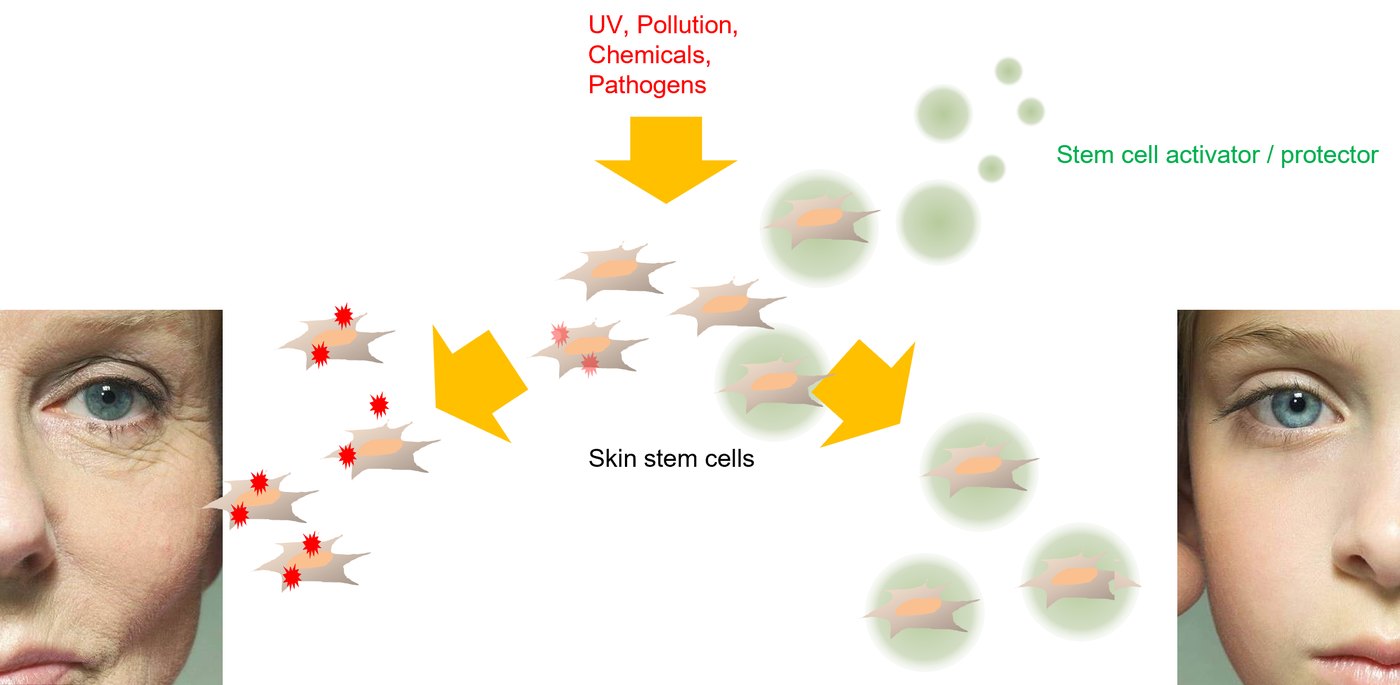
BioSpectrum and SkinCure started from this concern. Rather than putting stem cells or stem cell secretions of unverified safety into cosmetics, we used stem cells as a screening tool to find safe plant ingredients that performed well in stem cell models under stresses such as UV, pollution and harmful chemicals.
We published these findings in scientific journals and hold patents on the technology. Our standard for a genuine stem cell cosmetic is simple: grounded in published science, made with ingredients of confirmed safety, and tested for its cosmetic benefits.
The five StemCello promises
1. Scientific research
- In-house development of stem cell-related ingredients
- Ingredients listed in the PCPC International Cosmetic Ingredient Dictionary & Handbook (wINCI)
- Publications in international journals
- Patent registrations
2. Tested performance
- Ingredient testing to international standards
- Human use tests at cosmetic clinical research institutions
3. Consumer safety
- No animal-derived stem cell materials; plant-based actives with confirmed safety
- Skin irritation and other safety tests on ingredients and finished products
4. Transparent information
- International standard barcodes
- Full ingredient labeling to international standards
- Recycling and disposal marks for Korea and overseas
- Expiration date and period-after-opening labeling
5. Customer communication
- Accurate education about stem cell cosmetics
- Responses to inquiries via website and social media
- Sharing our latest research
- A product review panel