
Isorhamnetin
A body-care ingredient that grew out of a core technology project of the Stem Cell Regional Innovation System program, Ministry of Knowledge Economy, Korea. The research was published in two SCI-indexed journals.
- Material form
- Flavonol from sea buckthorn (Hippophae rhamnoides L.); first identified in water dropwort
- Lab findings
- Reduced differentiation of adipose-derived stem cells and preadipocytes; reduced triglyceride accumulation in culture
- Key evidence
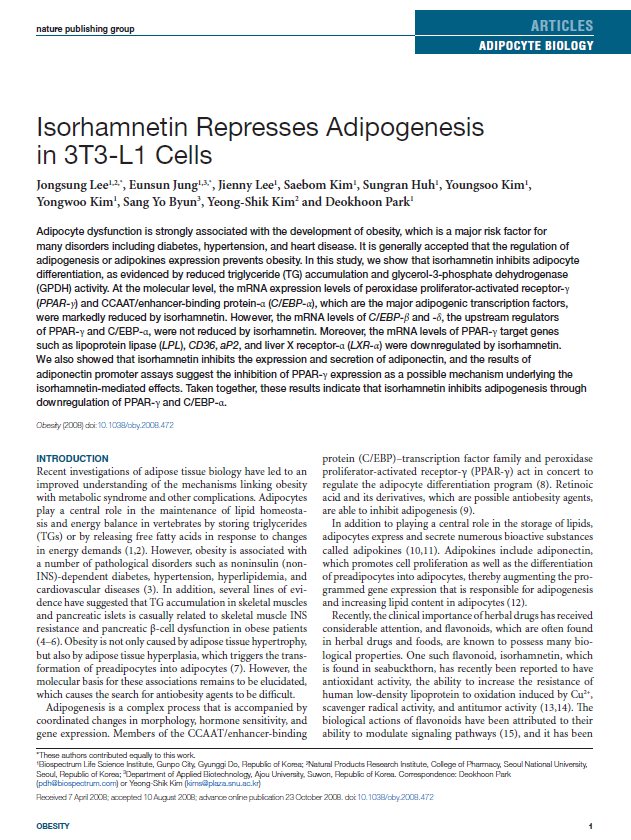
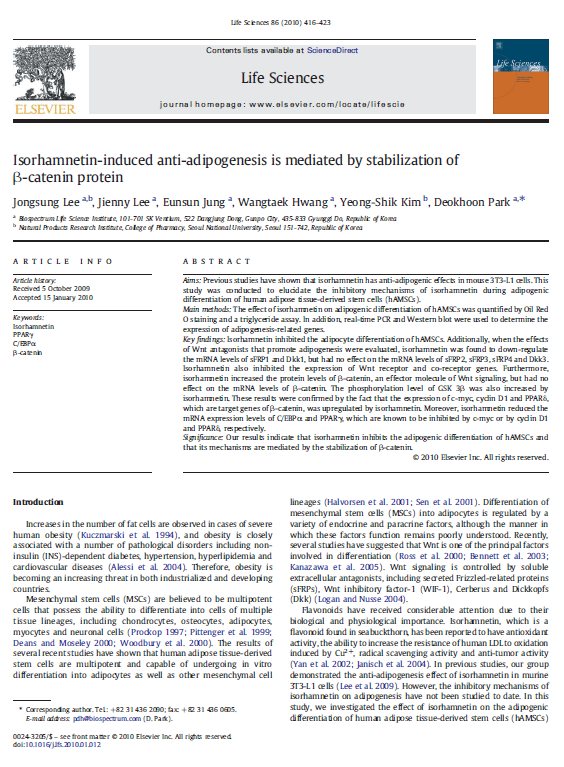
- Obesity 2009;17(2):226-32 / Life Sci 2010;86(11-12):416-23
- Human use test
- 8 weeks; skin firmness and temporary reduction in the appearance of cellulite (Dermapro Skin Research Center, KOREA)
Body Fat and Skin Appearance
Excess calorie intake in modern life leads to the accumulation of body fat, which is widely discussed not only in terms of overall wellness but also in terms of how the skin looks. Cellulite, the uneven, dimpled appearance of the skin, is closely linked to changes in the subcutaneous fat layer and is known to reflect an imbalance in how fat cells are formed and cleared beneath the skin.
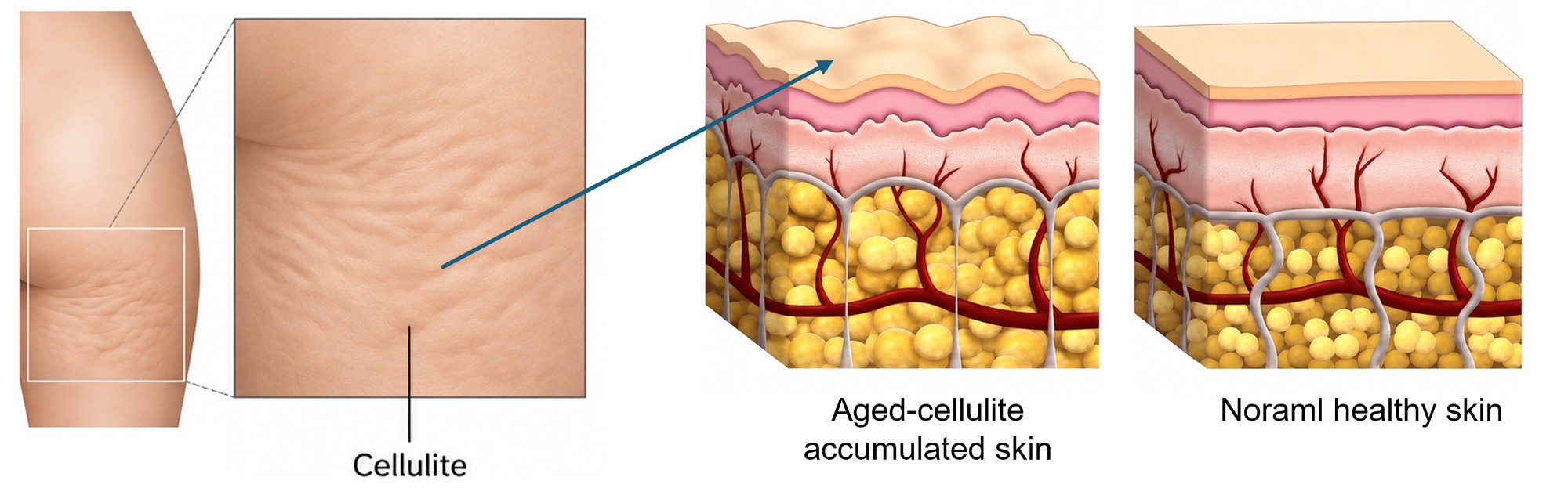
In the subcutaneous fat layer of healthy skin, the generation of new adipocytes and their breakdown and removal are finely balanced. With age, this regulatory function declines, breakdown slows, and mature adipocytes accumulate. If this state persists for a long time, the subcutaneous fat layer becomes uneven and the skin surface becomes uneven as well; this is called cellulite.
Adipogenesis
The life cycle of an adipocyte is shown in the figure below. It begins as an adipose-derived stem cell, differentiates into a mature adipocyte, and is then eliminated through normal apoptosis. This series of processes is called adipogenesis.
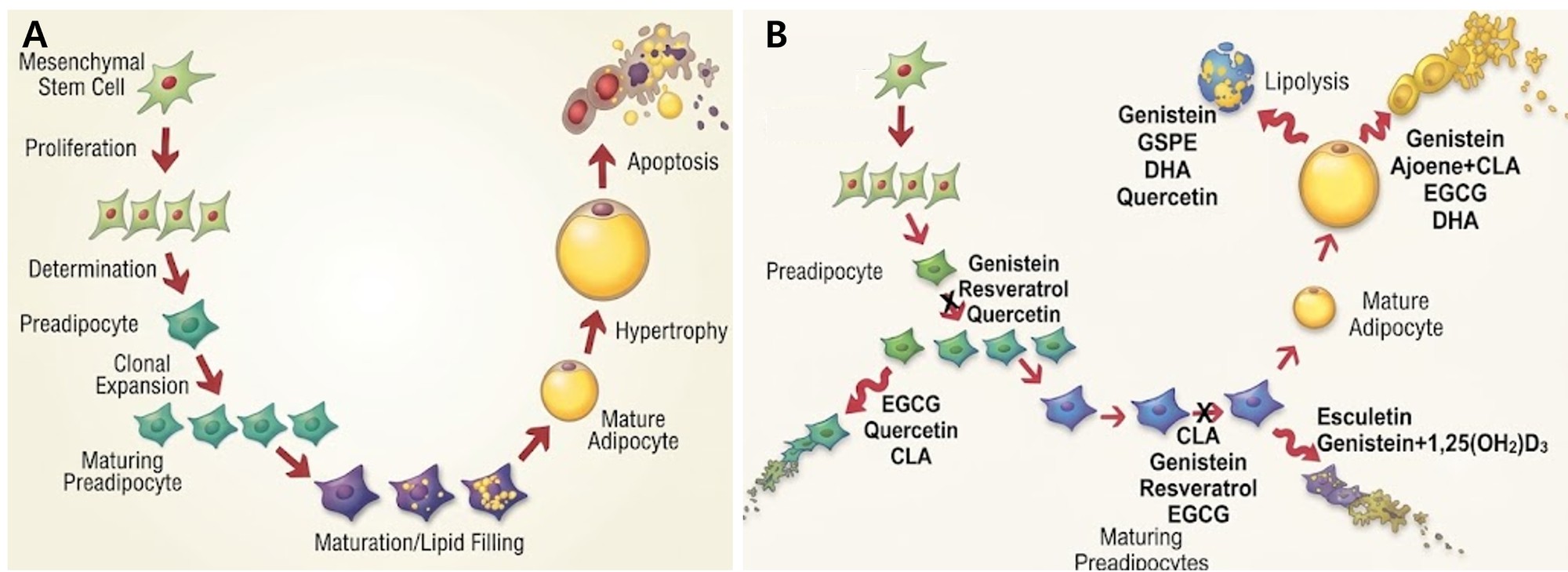
A fat cell begins as an adipose-derived stem cell, matures, and is eventually removed. This sequence is called adipogenesis. Several plant compounds are known to influence it in laboratory models, including soy genistein, grape resveratrol and green tea EGCG.
Recent research has revealed that some cells in differentiated adipose tissue can act as adipose-derived stem cells and continuously supply adipocytes. Even after mature fat is reduced through dieting or exercise, or preadipocytes and mature adipocytes are reduced through cosmetic procedures, continued high-calorie intake or lack of exercise allows the number of adipocytes to increase again over time. For this reason, the differentiation of adipose-derived stem cells, the earliest stage of adipogenesis, is regarded in research as a particularly important stage to study.
Our research team sought to discover new substances based on this new concept. By culturing adipose-derived stem cells in vitro, adding various plant extracts, and observing the adipogenesis process, we confirmed that several extracts inhibited adipogenesis in culture.
Result I: Sea Buckthorn and Isorhamnetin
Among these, an extract from the “vitamin tree”—which is also widely used in food products—showed the most pronounced activity in these laboratory tests. Through the extraction and purification processes outlined below, a single compound was identified as the active ingredient: isorhamnetin. Further research revealed that this compound is present in various plants—such as marigolds and sea buckthorn—and is particularly abundant in sea buckthorn (Hippophae rhamnoides L.). We have developed and utilized a fraction extracted from sea buckthorn that is rich in isorhamnetin as a raw material.
To confirm whether isorhamnetin is actually effective as a single compound, various biochemical studies were conducted using two cell types: adipose-derived stem cells and preadipocytes.
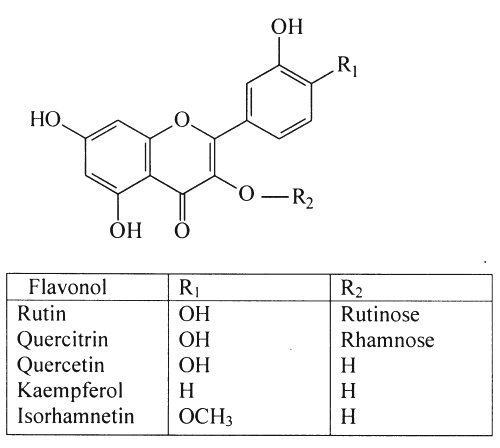
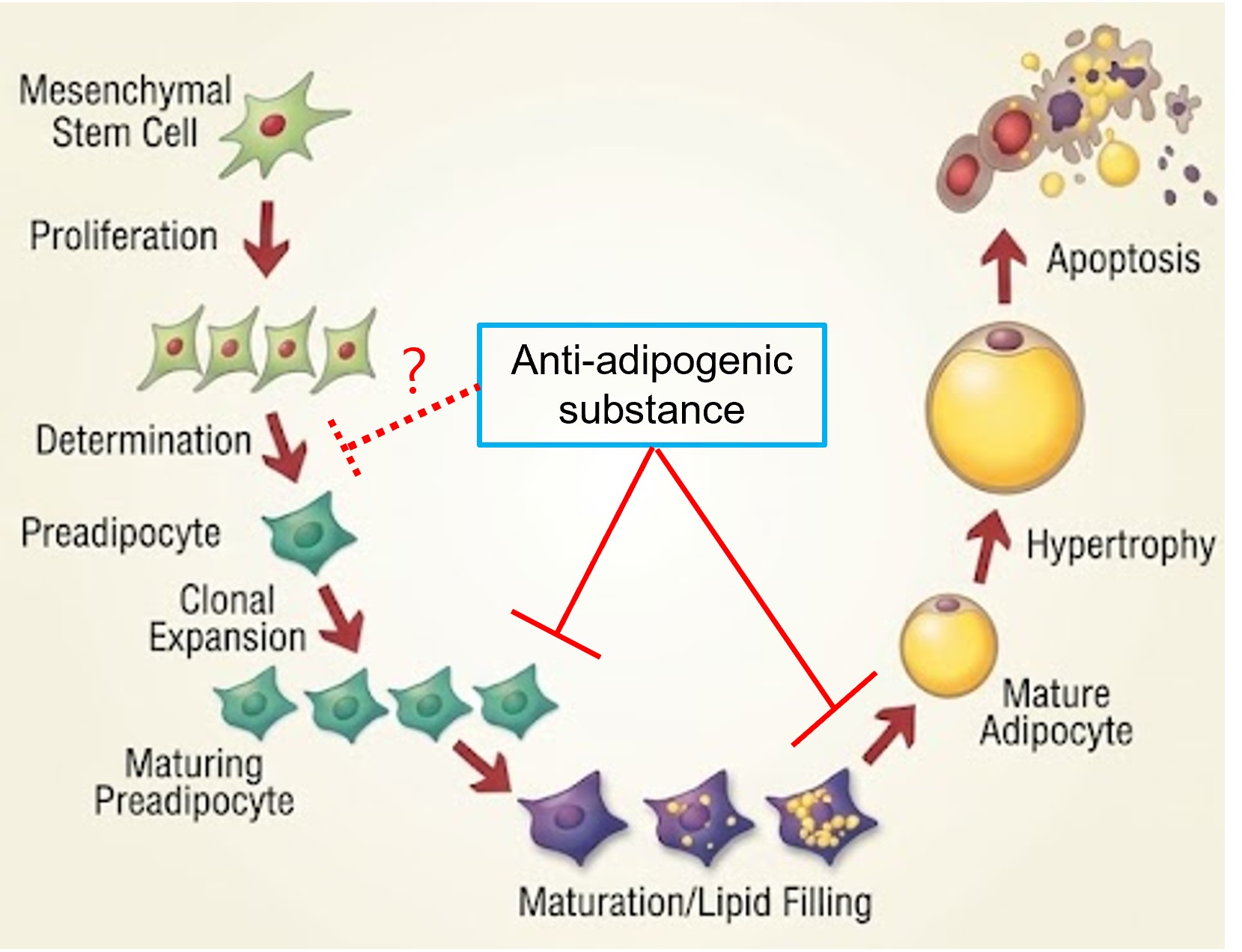
Treatment with isorhamnetin during culture of human adipose-derived stem cells inhibits cell differentiation in a concentration-dependent manner and also inhibits intracellular triglyceride accumulation.
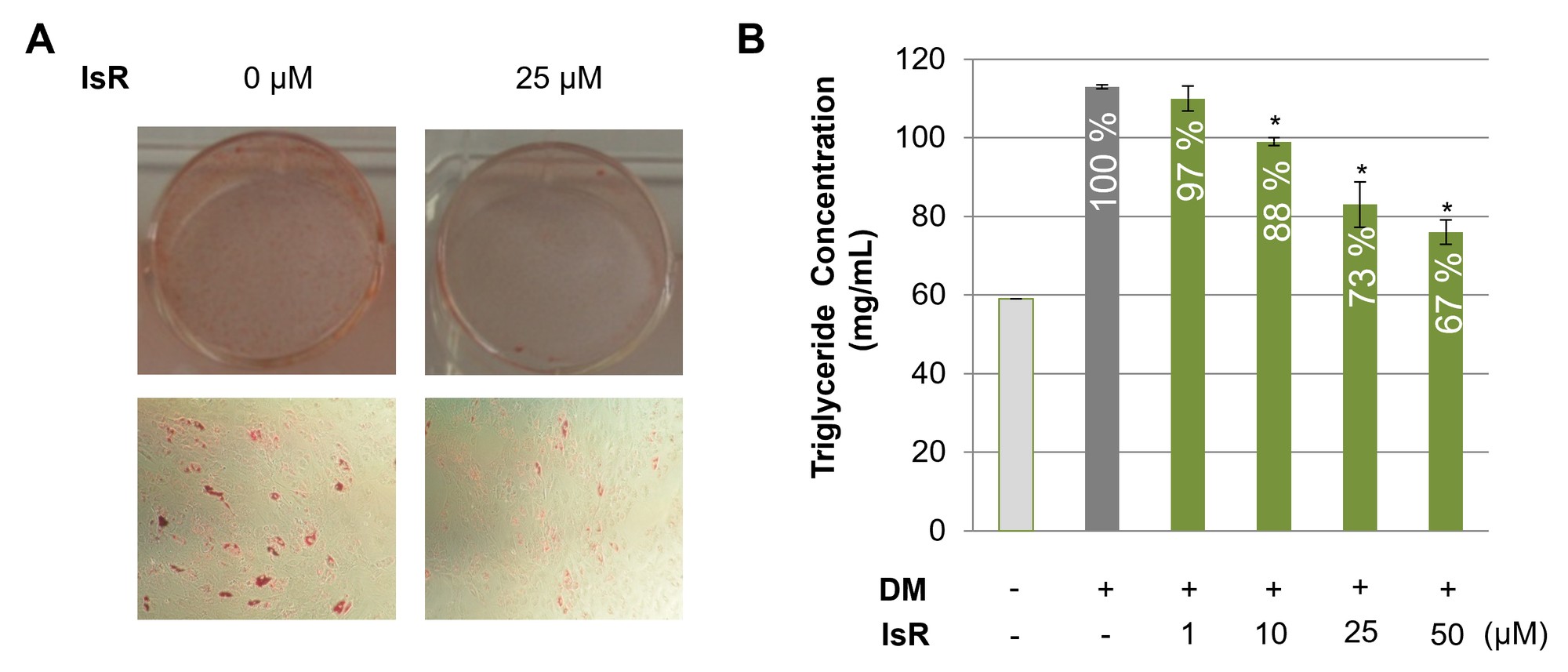
In A, differentiated adipocytes react with a special staining reagent and are stained red; more intense staining indicates a greater degree of differentiation. The weaker staining in the isorhamnetin (IsR)-treated group indicates that differentiation was inhibited.
In another cell line, preadipocytes, the adipogenesis process was also inhibited, as in adipose-derived stem cells.
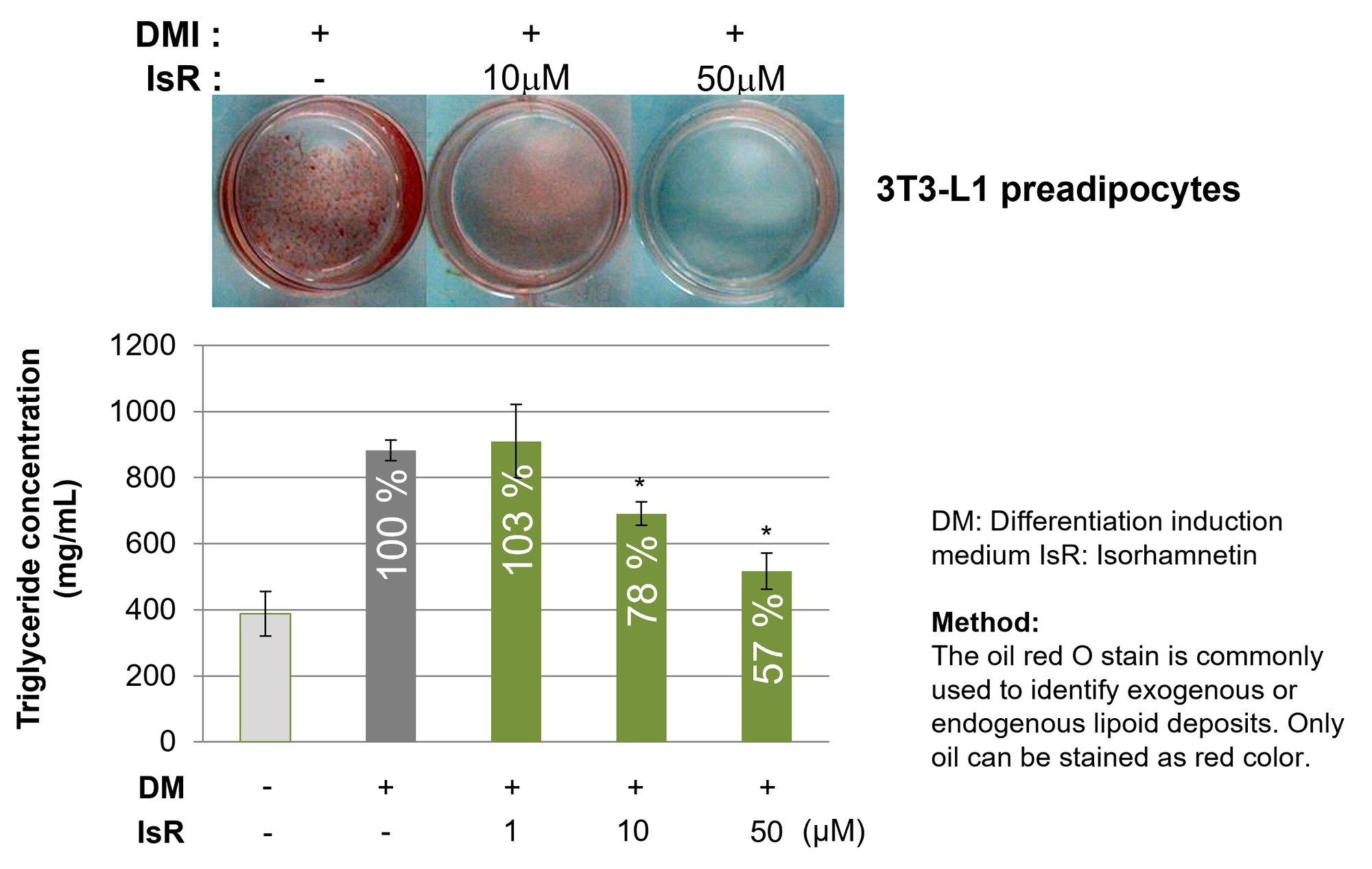
These laboratory results show that isorhamnetin is a promising ingredient candidate in cell models of adipogenesis. These research findings were published consecutively in two SCI-indexed international journals and gained recognition from the international scientific community.
Result II: appearance of cellulite after 8 weeks
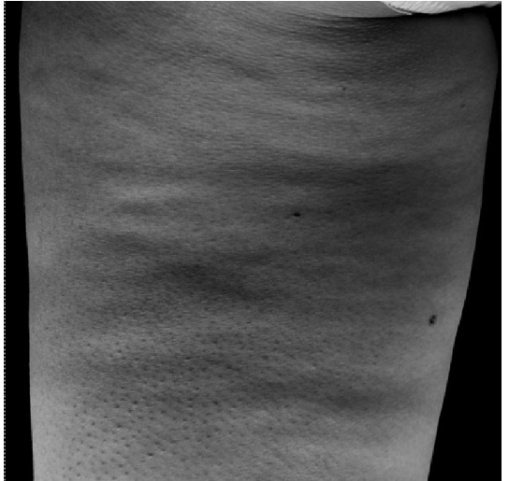
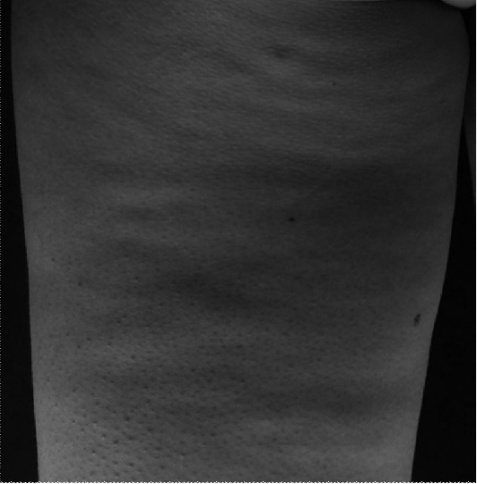
A human use test of an isorhamnetin formulation at the Dermapro Skin Research Center, KOREA showed a temporary reduction in the appearance of cellulite, with an average improvement of about 8% and a maximum of about 20%, along with firmer, more toned-looking skin on the thigh.
- Legal Notice: Although scientific and medical terminology is used in this description, it is intended to help consumers understand the ingredient introduced and was not written to suggest that products containing this ingredient have medical or therapeutic effects. The scientific information presented is based on objective facts grounded in published papers, and the literature referenced is cited for the key content. Ingredient research data do not represent the effects of a finished product.
- Republic of Korea: Products containing this ingredient are cosmetics that use only ingredients permitted for cosmetic use and comply with the Cosmetics Act and related regulations.
- United States: Products containing this ingredient are cosmetics that use only ingredients permitted in cosmetics and comply with applicable U.S. cosmetic regulations, including the Federal Food, Drug, and Cosmetic Act (FD&C Act) and the Modernization of Cosmetics Regulation Act of 2022 (MoCRA).