
EMortal
A pea-derived peptide ingredient discovered through stem cell research. Its name combines “Ex” and “Mortal,” meaning “escaping death,” after its performance in cell-culture stress tests.
- Material form
- Small peptides from enzymatically hydrolyzed pea protein (plant peptone), formulated as multilamellar liposomes; liquid type also available
- Lab findings
- Supported stem cell proliferation in serum-free culture; increased secretion of VEGF, TGF-β1 and IL-6 by cultured stem cells
- Key evidence
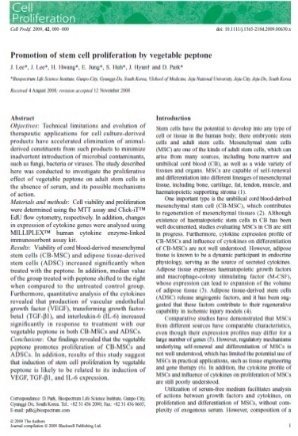
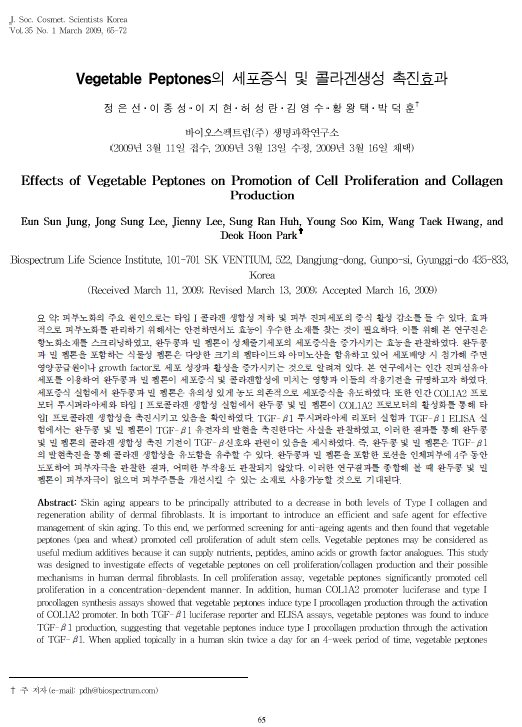
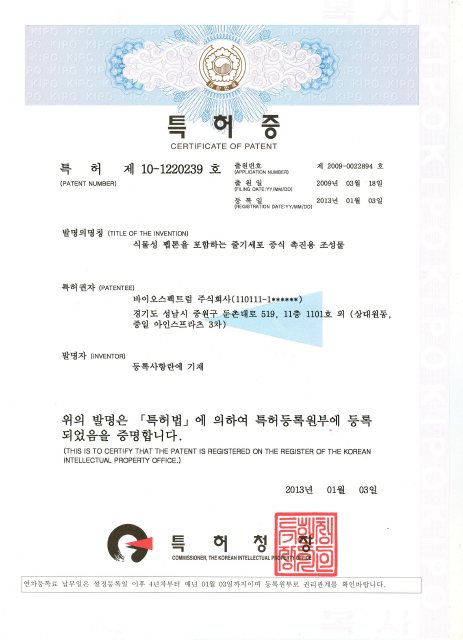
- Cell Prolif 2009;42(5):595-601 / J Soc Cosmet Sci Korea 2009 / KR 10-1181911, 10-1220239
- Human use test
- 2% formulation, 30 Asian women, 12 weeks, appearance of wrinkles (IEC Korea)
- Registration
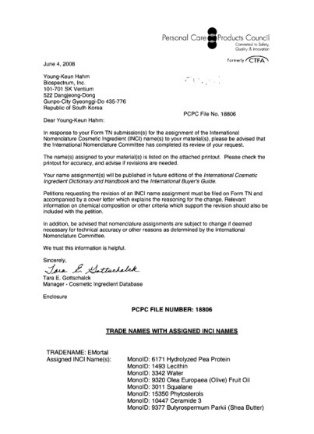
- Listed in the PCPC International Cosmetic Ingredient Dictionary & Handbook
How EMortal was found
What Is a Stem Cell Protector?
Stem cells exist in the human body during the embryonic stage, and small numbers of stem cells also reside in each organ in adulthood. Because stem cells are cells too, like any other cells they are damaged by various stresses and internal and external insults, and their function declines with age.
A familiar everyday observation illustrates the idea: in childhood, minor skin damage tends to recover within a few days, while with age the skin recovers more slowly and may take noticeably longer to look its best again. Research suggests that one reason is the gradual decline of stem cell activity with age, so the skin’s natural renewal proceeds more slowly. This is why researchers are interested in substances that, in laboratory models, help stem cells maintain their function for longer, and why we applied this concept to the discovery of cosmetic ingredients that help skin keep looking healthy over the long term.
In laboratory research, stem cell protectors can be obtained from natural sources or produced by chemical synthesis. Ingredients derived from natural sources, particularly edible plants that humans have consumed for a long time, offer a greater advantage in terms of safety.
What Is EMortal, a Newly Discovered Stem Cell Protector?
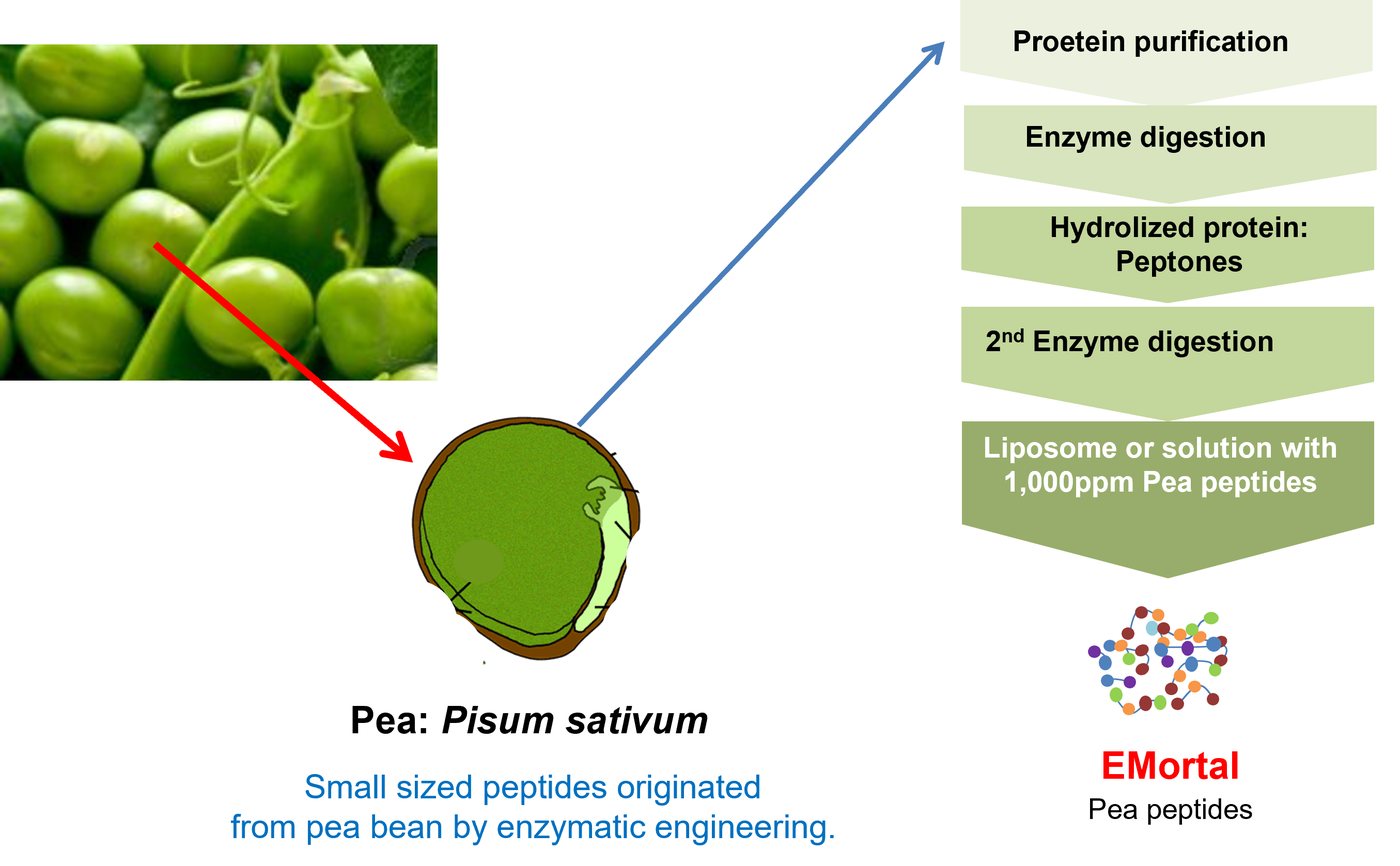
EMortal is a new plant-derived stem cell protective ingredient identified by screening approximately 500 plant-derived ingredients using a novel stem cell-related screening method. Because it demonstrated outstanding bioactivity in multiple in vitro tests, it was named EMortal, combining Ex + Mortal, meaning “escaping death.”
EMortal is produced from protein obtained from peas, which are readily available and widely consumed as food. Using our institute’s advanced technology, the protein is converted into small peptides that showed stem cell-protective activity in laboratory tests, and then formulated into multilamellar liposomes for good affinity with the skin’s surface layers. The ingredient is listed in the International Cosmetic Ingredient Dictionary and Handbook (PCPC). A liquid type has also been developed for use in liquid products.
It is also expected to be developable as a substitute for animal serum, which is essential for animal cell culture. Because animal serum always carries the risk of contamination with various infectious agents, research to establish serum-free conditions or to find serum substitutes for applications such as therapeutic cell culture is being conducted worldwide [1]. This ingredient has also been confirmed to partially substitute for the effects of serum and to provide beneficial effects in animal cell culture.
Result I: stem cell proliferation and cytokine profile under serum-free stress
Animal-derived serum is normally essential for animal cell culture. When serum is removed from the culture conditions, most animal cells lose function and activity, their proliferation decreases markedly, and their condition deteriorates rapidly. Over time, the number of dying cells also increases sharply. To examine whether Pea peptone helps restore reduced proliferation by protecting the original function of stem cells under these adverse conditions, our research team removed the serum essential for growth during cell culture, added an appropriate amount of Pea peptone instead, and measured the cell proliferation rate.
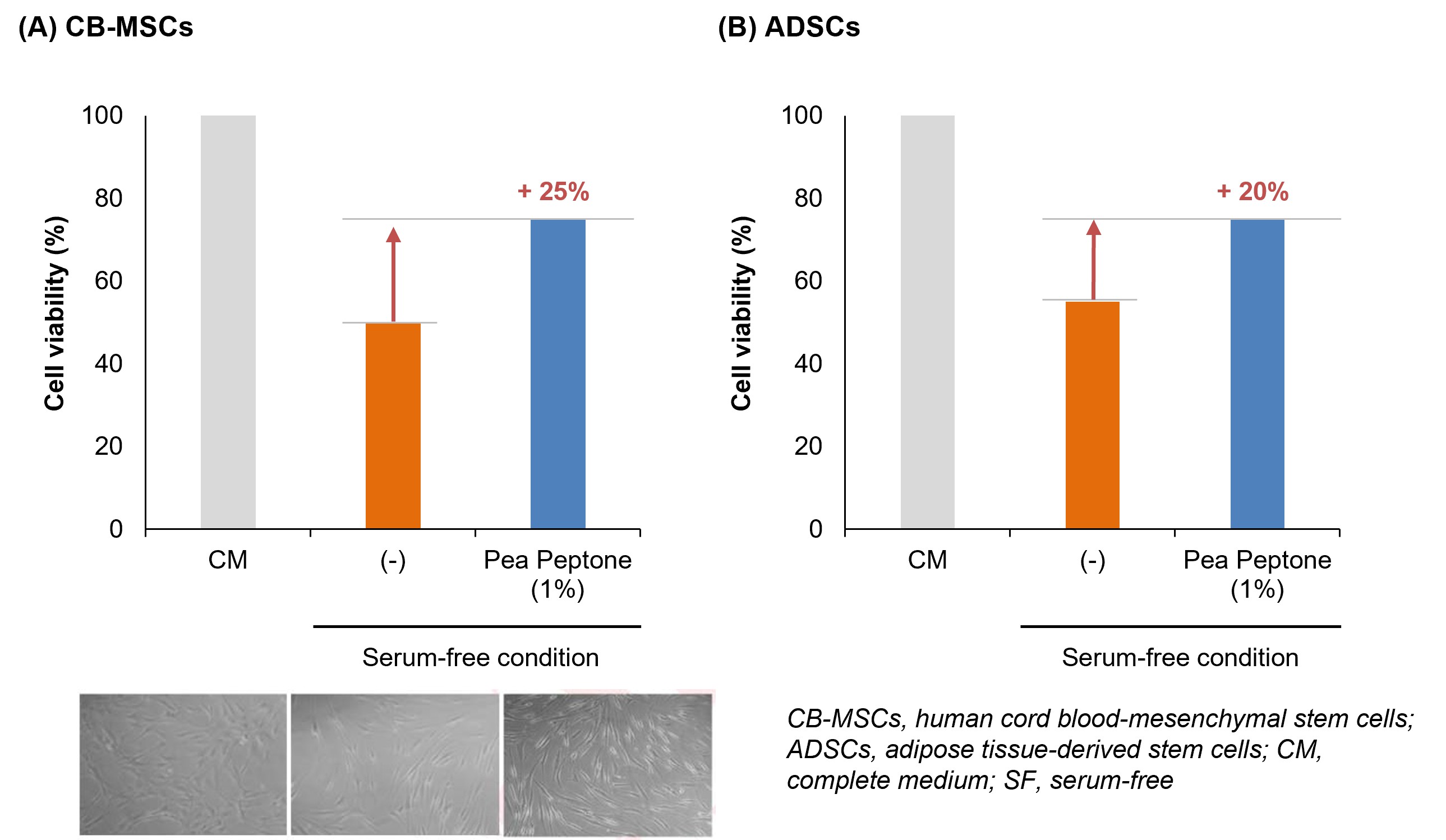
EMortal (Pea peptone) increased cell proliferation rate significantly, by 25% in CB-MSCs and 20% in ADSCs, respectively (Fig. 2).
Cell activity depends on communication among cytokines. The team analyzed the cytokines produced by stem cells in serum-free culture with EMortal: EGF, FGF-2, Flt-3 ligand, G-CSF, GM-CSF, TGF-β1, IL-3, IL-6, IL-8, TNF-α and VEGF. Of these, VEGF, TGF-β1 and IL-6 increased significantly.
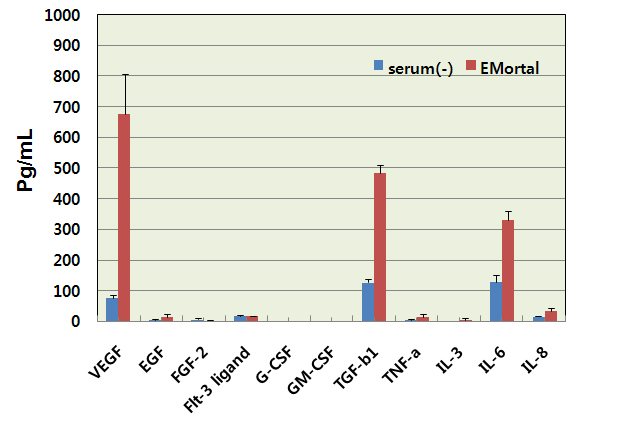
- VEGF is involved in blood vessel formation and is studied in skin biology research [7–10]. In the skin, it is produced by keratinocytes and fibroblasts and, according to the literature, is associated with the fine microvascular network that carries oxygen and nutrients to the dermis.
- IL-6 is involved in the growth and differentiation of many cell types and in epidermal barrier homeostasis [11–12]. It is secreted by keratinocytes, fibroblasts and stem cells and serves as a signaling molecule that helps coordinate the skin’s response to environmental stress.
- TGF-β1 regulates fibroblast proliferation and extracellular matrix [4]. In cell studies, it stimulates the synthesis of collagen and other dermal matrix proteins, which are associated with the skin’s firmness and elasticity.
Result II: fibroblast proliferation and collagen synthesis
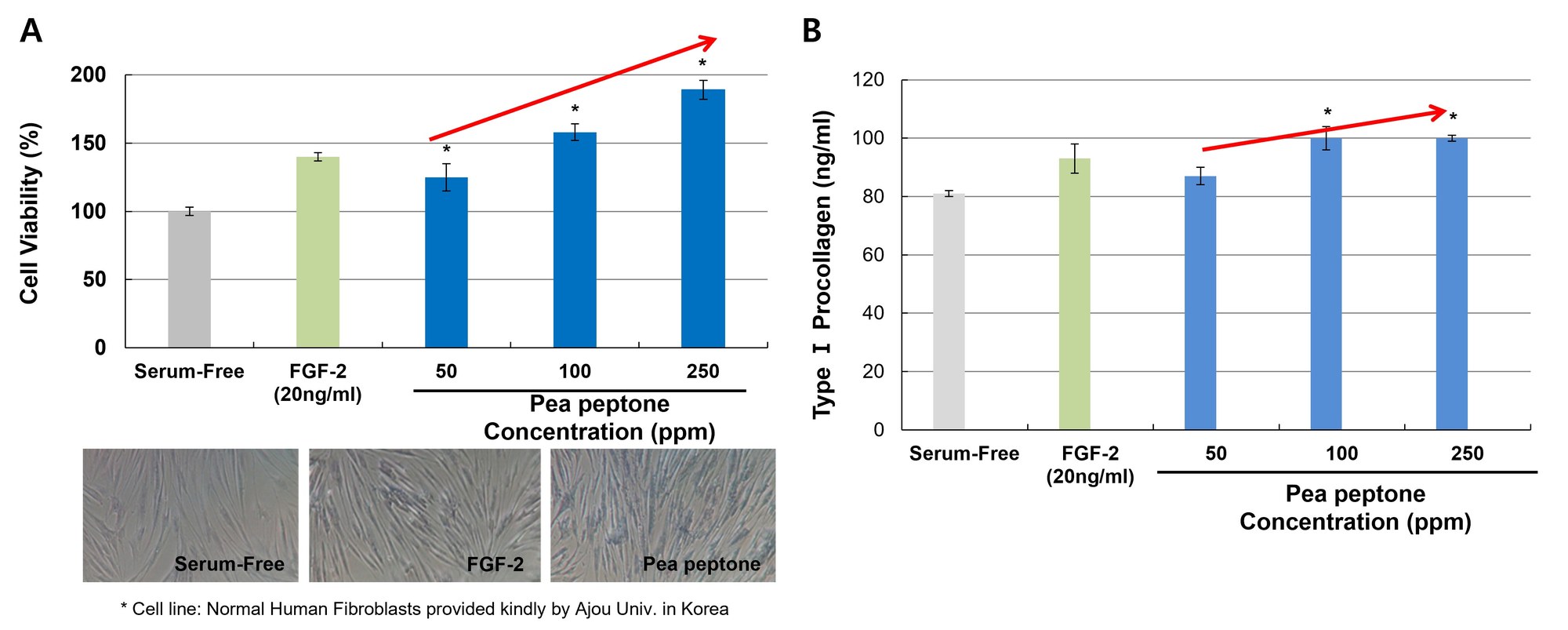
EMortal (pea peptone) showed a strong, concentration-dependent stimulatory effect in cell culture on the proliferation of fibroblasts—the primary cells constituting the dermal layer (A)—and also showed a notable capacity to enhance collagen synthesis in these cells (B). Further research revealed that these effects on fibroblast proliferation and collagen biosynthesis are mediated through the TGF-β signaling pathway.
Result III: appearance of wrinkles
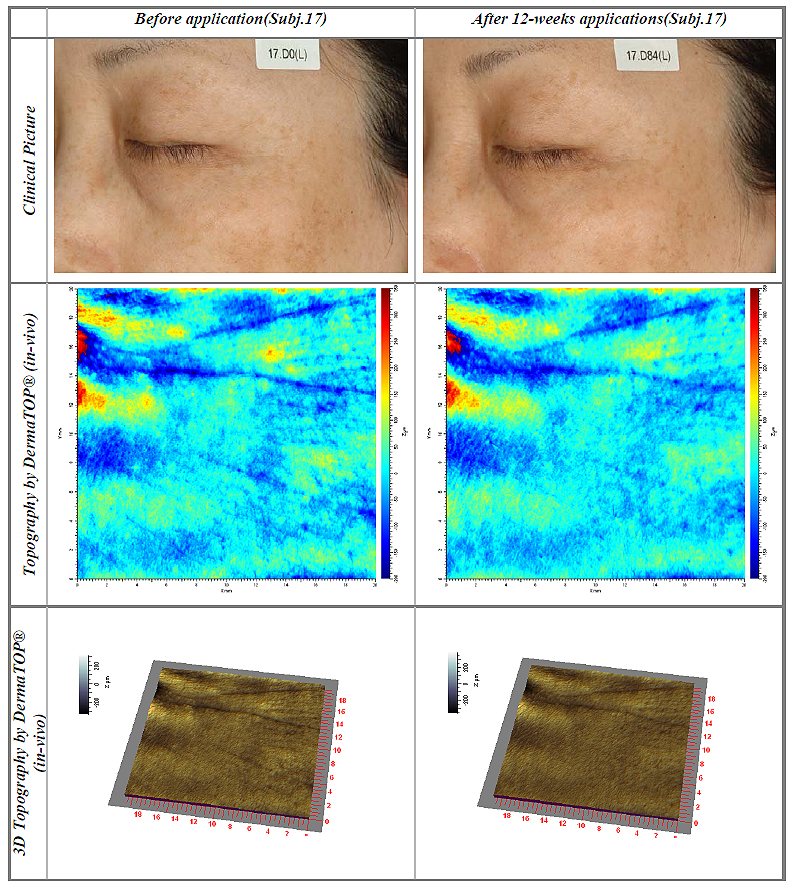
Thirty Asian women applied a formulation containing 2% EMortal twice daily for 12 weeks. Measurements showed a statistically significant improvement in the appearance of wrinkles.
The test was conducted by IEC Korea (ieckorea.co.kr), a dermatological research organization. No irritation or adverse reactions were reported during the test period.
- James D, Smith SR. Media formulation options and manufacturing process controls to safeguard against introduction of animal origin contaminants in animal cell culture. Cytotechnology 2000;33:27-36.
- Sakai K, et al. Effects of phosphatidic acid on recombinant protein production by Chinese hamster ovary cells in serum-free culture. Biochem Eng J 2002;10:85-92.
- Huh S, et al. A cell-based system for screening hair growth-promoting agents. Arch Dermatol Res 2009.
- Meran S, et al. Hyaluronan facilitates transforming growth factor-β1-mediated fibroblast proliferation. J Biol Chem 2008;283:6530-45.
- Flessner MF. The role of extracellular matrix in transperitoneal transport of water and solutes. Perit Dial Int 2001;21 Suppl 3:S24-9.
- Reiss M. TGF-β and cancer. Microbes Infect 1999;1:1327-47.
- Risau W, et al. SU5416 is a potent and selective inhibitor of the VEGF receptor. Cancer Res 1999;59:99-106.
- Koochekpour S, et al. VEGF production is stimulated by gangliosides and TGF-β isoforms in human glioma cells in vitro. Cancer Lett 1996;102:209-15.
- Eom SH, et al. Mechanisms underlying TGF-β1-induced expression of VEGF and Flk-1 in mouse macrophages. J Leukoc Biol 2007;81:557-66.
- Carmeliet P. Angiogenesis in health and disease. Nat Med 2003;9:653-60.
- Wang XP, et al. The interleukin-6 cytokine system regulates epidermal permeability barrier homeostasis. J Invest Dermatol 2004;123:124-31.
- Luckett LR, Gallucci RM. IL-6 modulates migration and matrix metalloproteinase function in dermal fibroblasts from IL-6KO mice. Br J Dermatol 2007;156:1163-71.
- Legal Notice: Although scientific and medical terminology is used in this description, it is intended to help consumers understand the ingredient introduced and was not written to suggest that products containing this ingredient have medical or therapeutic effects. The scientific information presented is based on objective facts grounded in published papers, and the literature referenced is cited for the key content. Ingredient research data do not represent the effects of a finished product.
- Republic of Korea: Products containing this ingredient are cosmetics that use only ingredients permitted for cosmetic use and comply with the Cosmetics Act and related regulations.
- United States: Products containing this ingredient are cosmetics that use only ingredients permitted in cosmetics and comply with applicable U.S. cosmetic regulations, including the Federal Food, Drug, and Cosmetic Act (FD&C Act) and the Modernization of Cosmetics Regulation Act of 2022 (MoCRA).