
Copper Tripeptide-1 (GHK-Cu)
A small peptide bound to a copper ion, found in human blood, saliva and urine. First isolated from human plasma by Loren Pickart in 1973, it has since become one of the most studied peptides in skincare.
- INCI name
- Copper Tripeptide-1 (GHK-Cu)
- Structure
- Glycyl-histidyl-lysine + Cu2+; MW ≈ 400 (GHK 340)
- Key evidence
- Maquart FX, FEBS Lett 1988;238(2):343-6 / Maquart FX, J Clin Invest 1993;92(5):2368-76 / Pollard JD, Arch Facial Plast Surg 2005;7(1):27-31
- Patent history
- US 5,135,913, “Cosmetic and skin treatment compositions” (Pickart, 1992; expired)
What is Copper Tripeptide-1 (GHK-Cu)?
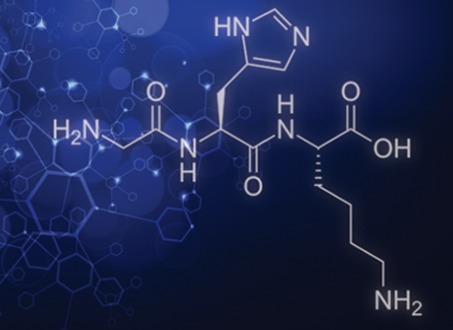
Copper Tripeptide-1 is a naturally occurring peptide bound to a copper ion, found in human blood, saliva, urine, and other bodily fluids. First isolated from human plasma by Loren Pickart in 1973, it was identified as a factor that supports the growth and survival of liver cells.
This substance consists of a peptide—formed by three amino acids (glycine-histidine-lysine, or GHK) linked in sequence—bound to a single copper ion (GHK-Cu). With a small molecular weight of approximately 400 (340 for the GHK component alone), it has good affinity for the skin’s surface layers, especially when combined with a small amount of an oil-based ingredient. Despite containing a copper ion, it remains structurally stable.
In published research, it has been studied for its role in skin flexibility and elasticity, as well as in the biology of blood vessels and connective tissue.
Research indicates that the concentration of Copper Tripeptide-1 in the blood drops by more than half—from approximately 200 ng/mL at age 20 to about 80 ng/mL by age 60 (Pickart L et al., BioMed Res Int 2015:648108). As levels of Copper Tripeptide-1 decline with age, the beneficial physiological and biochemical effects associated with it also diminish. In cosmetics, applying it topically can help skin look healthy and vibrant. Copper tripeptide-1 is known for being low-irritation and highly versatile; it benefits the look and feel of both skin and hair, leading to an ever-expanding range of applications.
Collagen research since 1988
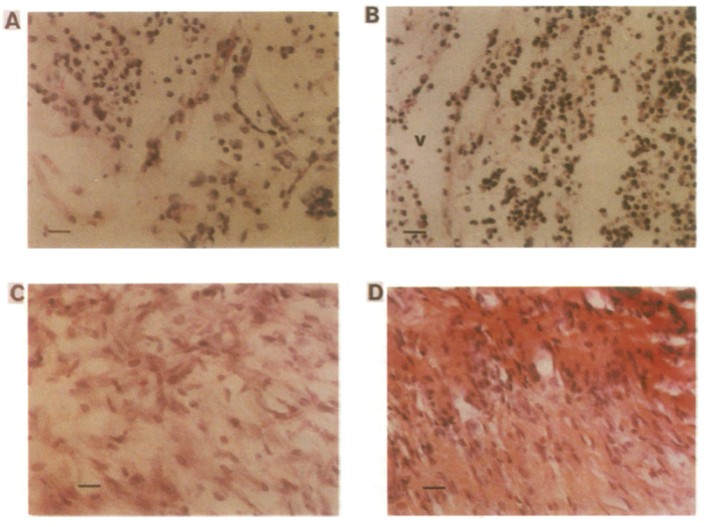
Source: Maquart FX et al., J Clin Invest 1993;92(5):2368-76.Note: This image is a histological analysis from an academic study demonstrating the effects of Copper Tripeptide-1. This information represents the characteristics of the raw ingredient based on in vitro/in vivo testing and does not imply the efficacy of the finished product.
In 1988 Professors Maquart and Borel at the Université de Reims Champagne-Ardenne reported that GHK-Cu stimulates collagen synthesis in fibroblast cultures. In a small one-month comparison on thigh skin, the share of subjects with increased procollagen was 7/10 for copper peptide, 5/10 for vitamin C and 4/10 for tretinoin (Abdulghani AA, et al. Dis Manag Clin Outcomes 1998;1(4):136-41). Copper is also a required cofactor of lysyl oxidase, the enzyme that cross-links collagen and elastin.
In Figure 2, on day 3, a greater number of inflammatory cells (macrophages and polymorphonuclear cells) are observed in the treatment group (B) compared to the control group (A). On day 14, well-organized fibroblasts are distributed throughout the treatment group (D), in contrast to the control group (C).
Cosmetic benefits
- Soothing: helps calm the look and feel of stressed skin; antioxidant support
- Firmness: helps skin look denser, firmer and more youthful
- Moisture: supports the stratum corneum to keep skin moist
- Hair: conditions the scalp and helps hair look healthy
- Legal Notice: Although scientific and medical terminology is used in this description, it is intended to help consumers understand the ingredient introduced and was not written to suggest that products containing this ingredient have medical or therapeutic effects. The scientific information presented is based on objective facts grounded in published papers, and the literature referenced is cited for the key content. Ingredient research data do not represent the effects of a finished product.
- Republic of Korea: Products containing this ingredient are cosmetics that use only ingredients permitted for cosmetic use and comply with the Cosmetics Act and related regulations.
- United States: Products containing this ingredient are cosmetics that use only ingredients permitted in cosmetics and comply with applicable U.S. cosmetic regulations, including the Federal Food, Drug, and Cosmetic Act (FD&C Act) and the Modernization of Cosmetics Regulation Act of 2022 (MoCRA).